
 Australia
 New Zealand
 Malaysia
 Thailand

Loads of things in life are important; and information about ourselves, our business, and our customers, is right up there. Losing it, giving it away, or having it stolen wouldn't be one of life's greatest moments.
When we talk about cybersecurity, we mean the things we do to protect ourselves from attacks that come from the internet. Attackers are after us because we all have personal or work information that's worth the tidy sum to willing buyers. Most people think a cyber-attack won't happen to them. Because we can't see what happens in the cyber world, we don't take the same care with things we do online that we do in real life.
 If someone got hold of our passwords through a phishing email or fake website, our other accounts could easily be accessed. Imagine someone pretending to be you, sending emails to your contacts, spending up large and siphoning your bank account. And at work that could end in a data breach which would have a massive impact on our reputation and the trust our customers place on us to keep their information secure.
Cyber attackers come in different guises, like online vandals or opportunists who might stumble across a weakness in our systems, and cyber criminals who are simply out to make money. They use different tactics like web hacking, password guessing or malware - which stands for malicious software - designed to wreak havoc in your computer system.
You might think that moving everything to the cloud is safer. The cloud refers to services that you access through the internet. Anytime you store info online, not on your computer, you're using the cloud. Think of the cloud as someone else's hard drive; you've still got to take care of your data, no matter where it is. There are ways we can reduce the risk of a cyber-attack happening to us.
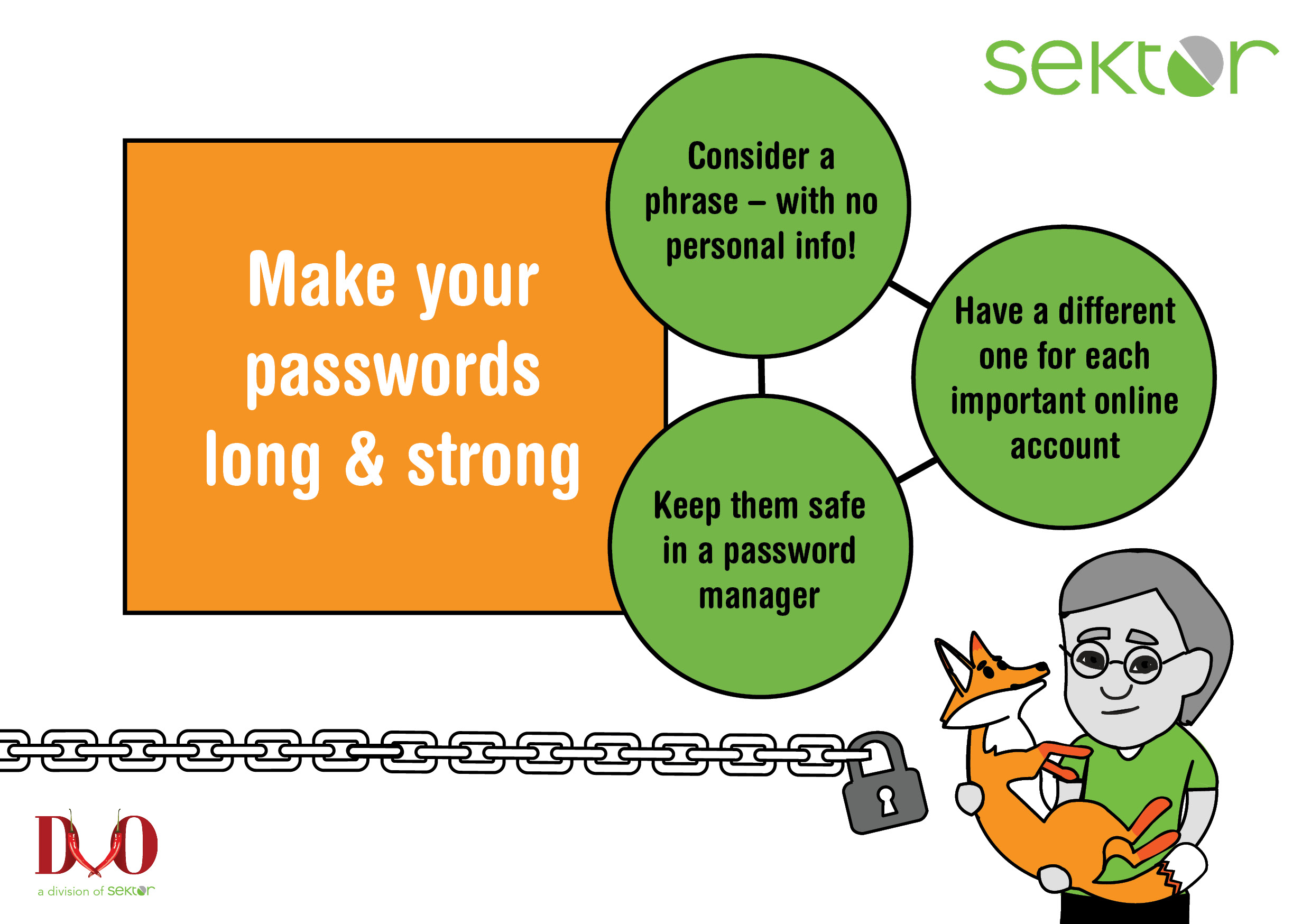 Sorting yourself a long and strong unique passphrase for each of your important online accounts is a must. If you use the same one everywhere, and an attacker gets hold of it, they'd be into your other accounts too.
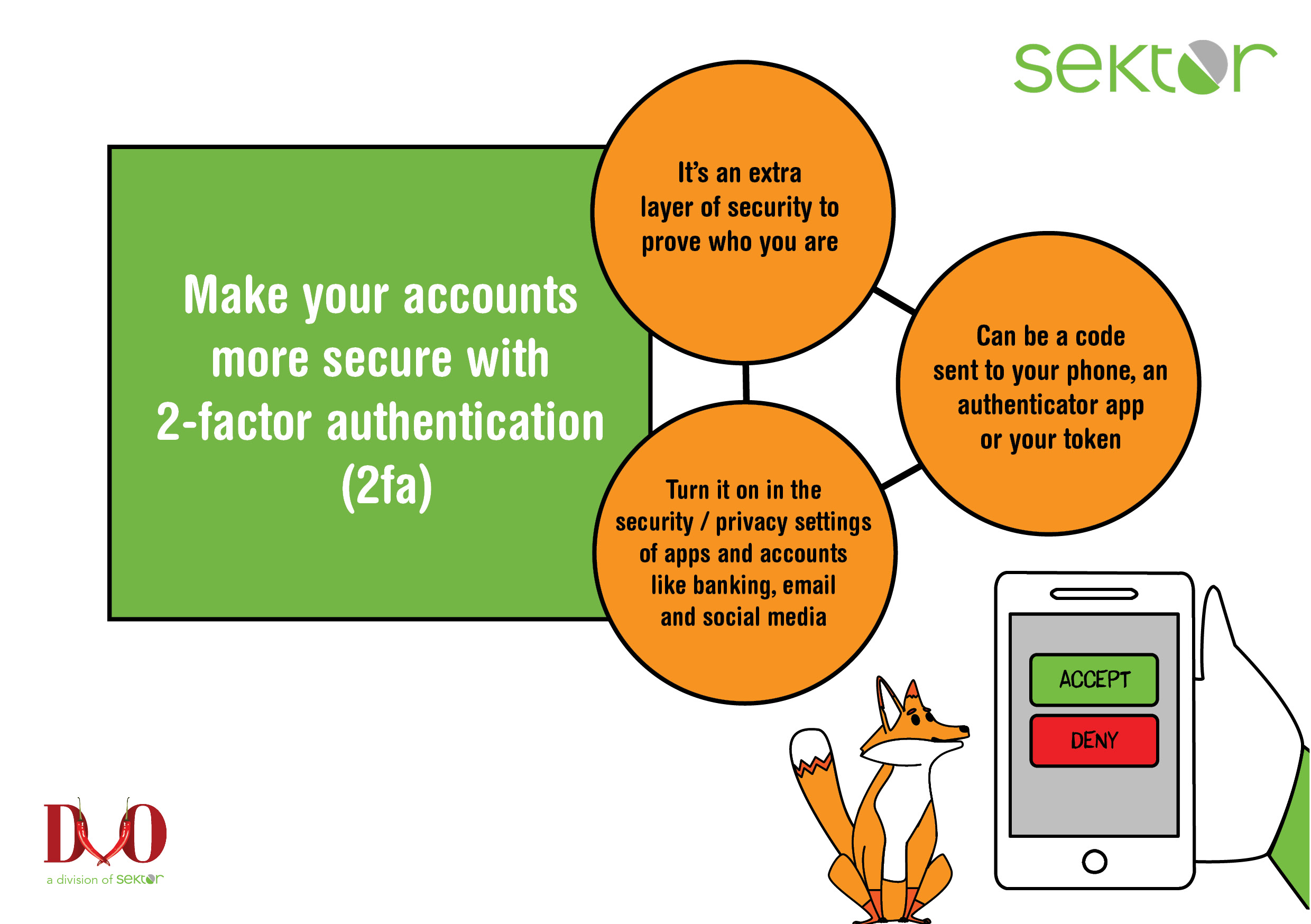
Making your accounts more secure with two factor authentication - 2FA - is a good idea. It's an extra layer of security to prove who you are. With 2FA, if your password got stolen, it's hard for an attacker to access your accounts, as they'd need your phone or token too.
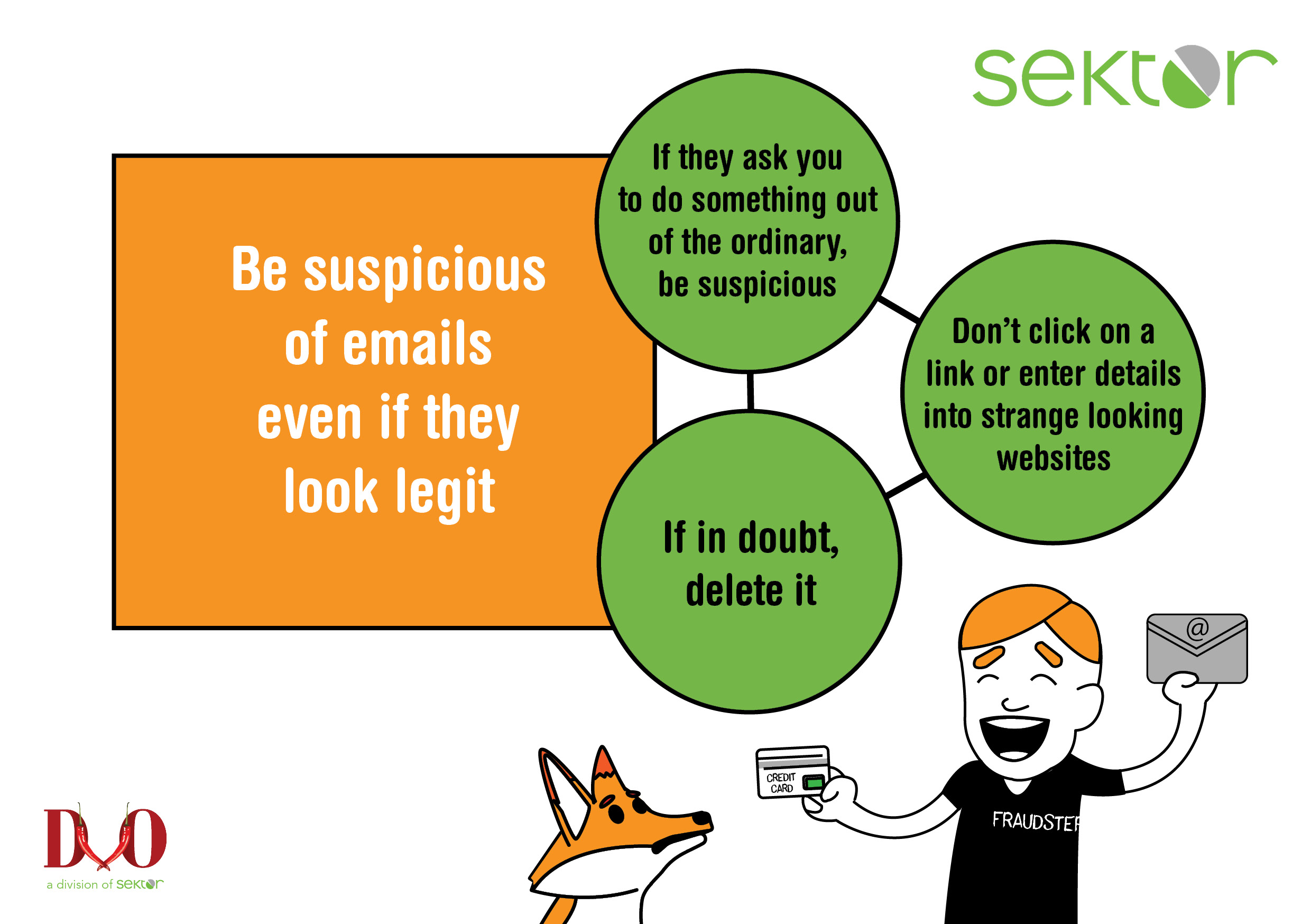
Check your devices are set to run updates automatically, so that weak spots that attackers target to get your information are fixed. Be a bit suspicious of emails asking you to do something out of the ordinary, even if they look legit.
 Clicking on a link or entering your personal info into a dodgy website will easily give away your password or infect your machine.
Remember we all have loads of information, it’s super valuable to us and there are people who'll go to great lengths to get it. But don't feel you need to be a security expert to become good at security. We can all do these simple things to keep the cyber attackers at bay. At work, contact IT support for help. At home, CERTNZ is your first port of call to report a cybersecurity problem.
For more information about cybersecurity, please get in touch with the team at Duo – a division of Sektor | sales@duo.co.nz | 0800 735 867